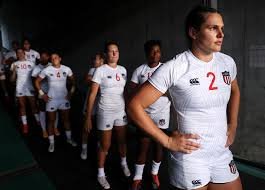
Quinnipiac Cuts Elite Women’s Rugby to Club Status, Igniting Backlash
In April 2026, Quinnipiac University announced its decision to transition its highly successful NCAA Division I women’s rugby program to club status. The team, which secured three consecutive national championships in 2015, 2016, and 2017, had long been recognized as one of the premier programs at the Division I level. University officials explained the move as part of a broader effort toward “strategic realignment,” “fiscal sustainability,” and compliance with Title IX, emphasizing that the change is intended to maintain the overall competitiveness of the athletics program.
Players learned of the decision during a meeting scheduled just before practice, following discussions between coaches, the athletic director, and university administrators. The announcement came as a shock to the team, leaving many uncertain about the status of their scholarships and their athletic futures. Several athletes expressed that their decision to attend Quinnipiac had been strongly influenced by the reputation and success of the rugby program.
Backlash has grown stronger following Quinnipiac University’s decision to reclassify its championship-winning women’s rugby team as a club program, fueling petitions and sparking concerns about possible Title IX implications. The response from both the public and players has been blunt, with many summing up their frustration as “shame on you.”
In light of this reaction, the university may face several consequences. Reputationally, the decision risks undermining its image as a supporter of successful women’s athletics, particularly given the program’s history of national titles. From a compliance standpoint, the move could invite closer scrutiny over Title IX obligations, especially if stakeholders question whether opportunities for female athletes are being reduced. There may also be practical impacts, including challenges in recruiting prospective student-athletes, retaining current players, and maintaining alumni and donor support. Altogether, the situation places pressure on the university to clearly justify its decision and demonstrate that it aligns with both its financial priorities and its commitment to gender equity.
A steady, practical approach will serve both current players and incoming freshmen better than reacting purely on emotion.
For current players, the first priority is clarity. They should request detailed, written information from the university about scholarships, eligibility, transfer options, and whether financial aid will be honored. Meeting with compliance officers or academic advisors can help them understand NCAA rules, especially if they’re considering transferring to another varsity program. If they want to stay, they can work collectively to advocate for resources, coaching support, and a competitive club structure. At the same time, documenting concerns and communicating respectfully—but firmly—with administrators keeps their position credible and organized.
Incoming freshmen face a slightly different decision. They should reassess whether the school still aligns with their academic and athletic goals. That may mean speaking directly with admissions, financial aid, and athletics staff to confirm what opportunities still exist. If varsity-level competition was a deciding factor, exploring transfer or deferral options could be reasonable. On the other hand, if they’re open to a club experience, they should evaluate what that program will realistically offer in terms of competition, travel, and development.
For both groups, staying informed, keeping communication professional, and weighing short-term disruption against long-term goals will lead to better decisions than acting hastily. This is also a situation where consulting family, coaches, or mentors outside the university can provide perspective and help avoid ru shed choices.
Either way, this decision could lead to a decline in admissions and leave prospective student-athletes and their families viewing the university as unstable or potentially facing significant financial challenges.
Ultimately, Quinnipiac’s decision marks a pivotal moment that will shape how the university is perceived by current athletes, prospective students, and the broader collegiate sports community. While officials frame the move as a necessary step toward long-term stability, the backlash underscores a deeper concern about commitment to successful women’s programs and transparency in decision-making. How the university responds in the coming months—through communication, support for affected athletes, and demonstrated adherence to its stated values—will determine whether this becomes a short-term controversy or a lasting stain on its reputation.