“Why Most Football Players Never Get Recruited”
Every year, thousands of talented football players never get recruited — not because they are not good enough, but because nobody ever truly sees them.
Over 1 million high school football players compete in the United States every year. Yet only around 73,000 to 80,000 go on to play college football at any level. That means only about 6–7% of high school football players continue their careers in college. Even more shocking, only about 2% earn a Division I athletic scholarship.
The reality is simple: college football recruiting is extremely competitive.
It is impossible for college coaches to scout every region and personally evaluate every athlete. Because of that, coaches often rely heavily on recruiting agencies, high school coaches, ranking systems, camps, and online recruiting platforms to help identify talent.
Unfortunately, many athletes wait until their senior year to begin focusing on recruiting. By the time they realize they need exposure, many programs have already built recruiting boards and established relationships with players they have followed for years.
Football is America’s game. It is one of the few sports that is deeply rooted in American culture and not naturally played at a high level worldwide. However, football is also one of the hardest sports to get recruited in because of the limited roster spots and the decreasing number of lower-level programs across the country.
The dream for most players is to reach the Division I level, but opportunities also exist at the Division II, Division III, NAIA, prep school, and junior college levels. In fact, some of the biggest names in football took the junior college route before reaching the NFL.
Aaron Rodgers played at Butte Community College before transferring to University of California, Berkeley.
Cam Newton played junior college football at Blinn College before transferring to Auburn University and eventually becoming an NFL MVP.
The opportunity to move up levels is never gone. If you work hard enough and stay committed, the dream is still within reach. Football simply requires a little more patience, persistence, and toughness to get into the end zone of opportunity.
This is not meant to discourage young athletes from playing football. The game teaches discipline, accountability, toughness, and teamwork. But today’s recruiting world requires athletes to hustle for exposure just as hard as they hustle on the field.
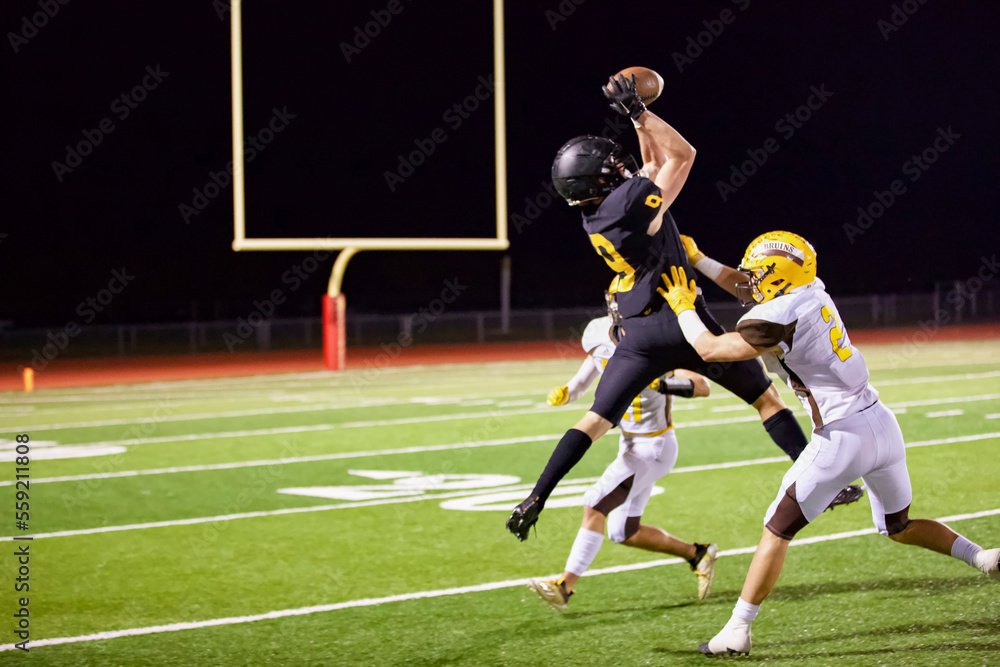
Unlike basketball, football does not operate heavily through year-round travel club circuits where coaches constantly evaluate players. Football exposure works differently. College programs often use camps, combines, visits, and recruiting showcases to evaluate talent and track long-term development.
College coaches want to see growth over time. They want to build relationships and learn about athletes beyond just highlights. That is why camps, communication, and consistent exposure matter so much.
One of the biggest reasons players get overlooked today is a lack of online presence.
Many athletes:
- Have no recruiting profile
- Use outdated highlight films
- Have poor social media habits
- Rarely post new content
- Do not list measurements, stats, or contact information
Recruiting today is digital first.
In many cases, coaches search online before they ever contact a player directly. If your online presence is weak, incomplete, or unprofessional, you may never even make it onto a recruiting board.
Highlight videos are also critical. A great film can open doors, while a bad one can immediately hurt recruiting chances. Coaches do not have hours to evaluate every athlete. In many cases, they decide within the first 30–60 seconds whether they want to continue watching.
Common mistakes include:
- Highlight films that are too long
- Poor video quality
- No player indicators
- Weak opening clips
- No verified measurements or statistics
If coaches cannot quickly identify your value, they move on.
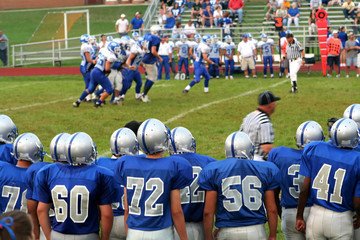
Another major issue in recruiting is understanding the right level of play.
This is often one of the hardest conversations families face. Many athletes and parents become so focused on the Division I dream that they overlook great opportunities at other levels.
Here is the reality:
Not every player is Division I.
And that is okay.
There are thousands of successful athletes playing at the Division II, Division III, NAIA, prep school, and JUCO levels. Sometimes athletes wait too long for a dream offer that never comes instead of taking advantage of the opportunities already in front of them.
As a coach and recruiting advisor, I have seen this happen many times. It is one of the toughest lessons young athletes learn.
The important thing is finding the level where you can develop, compete, and continue growing. There is nothing wrong with attending a junior college or prep school first. In many cases, more time on the field leads to more development, more exposure, and eventually bigger opportunities.
Recruiting is repetition.
Just like football itself, recruiting requires consistency and daily work. Players must continue:
- Posting updated highlights
- Building social media presence
- Communicating with coaches
- Sending emails and direct messages
- Attending camps and showcases
- Improving both academically and athletically
The athletes who get recruited today are not always the most talented.
They are often the most visible, prepared, and consistent.
If you want coaches to notice you, you cannot wait to be discovered.
You have to put yourself in position to be seen.